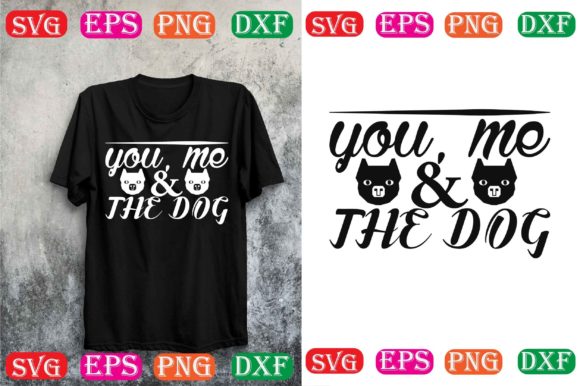
Dog Svg Design.you, Me the Dog
A Warm, Quiet Moment—Not Just Another Pet Graphic
First glance at Dog Svg Design.you, Me the Dog isn’t about flash or trend—it’s about resonance. The composition feels grounded: two figures (human and dog) leaning into each other, simple outlines, gentle curves, no exaggerated features or cartoonish flair. It leans into quiet companionship rather than playful chaos. That matters deeply when you’re choosing a machine embroidery design for real-world use—not just as a digital file, but as something stitched onto a soft cotton tote, a baby onesie, or a linen tea towel meant to live in someone’s kitchen for years.
Where This Design Finds Its Truest Voice
I used Dog Svg Design.you, Me the Dog last week on a set of organic cotton sweatshirts for a local boutique’s “Quiet Joy” collection—think cozy, minimalist, gift-ready pieces for pet lovers who prefer sincerity over slogans. It worked beautifully at 3.5" wide on the left chest. The clean lines translated well into satin stitch borders and light fill stitch for subtle dimension, and customers responded immediately—not to the dog alone, but to the *togetherness*. That tells me this isn’t just a T-Shirt Designs asset; it’s a storytelling graphic. It fits naturally on embroidered patches for backpacks, pillow covers for nursery decor, aprons for small-batch bakeries, and even holiday embroidery on flannel blankets. For Etsy sellers, it’s a strong candidate for printable mockups paired with heartfelt product copy—because buyers don’t just buy a dog; they buy the feeling of being seen, held, accompanied.
Fabrics & Surfaces: Where It Shines—and Where to Pause
- Stable, medium-weight fabrics like combed cotton tees, canvas totes, and brushed twill caps? Yes—this design breathes here. Stitch density stays balanced, and the open negative space prevents puckering.
- Stretchy knits (like jersey t-shirts)? Proceed with care. The design’s gentle curves rely on consistent tension—use cutaway stabilizer and consider reducing stitch speed. Test first on scrap fabric with your exact garment.
- Thin or delicate fabrics (baby muslin, lightweight linen)? Avoid dense fill areas unless you reduce stitch count manually—or opt for running stitch outlines only. The current layout doesn’t force heavy coverage, which helps.
- Dark or textured backgrounds (heather grey sweatshirts, burlap tea towels)? Confirm thread color contrast. A warm charcoal or oatmeal thread reads softer than black on dark fabric—and keeps the handmade product feeling intentional, not harsh.
- Curved surfaces like curved bill caps or rounded pillow edges? Keep placement centered and avoid stretching the design across seams. Its modest scale works in favor here.
What It Adds to Your Finished Product—Beyond the Stitch
This isn’t just a decorative element—it quietly lifts perceived value. When stitched cleanly, Dog Svg Design.you, Me the Dog signals thoughtfulness. Customers notice the lack of clutter, the intentional spacing, the way the figures align without stiffness. That builds trust, especially for personalized gifts and boutique branding. On an embroidered patch sewn onto a denim jacket, it reads as heirloom-level care—not mass-produced clip art. For craft business owners, that distinction translates directly to pricing confidence and repeat buyers. And because it avoids tiny lettering or micro-details, it holds up across digital embroidery file formats (SVG, EPS, DXF, PNG) without degradation in preview or print—making it reliable for both physical stitching and digital product previews.
Designer Notes You’ll Actually Use
- Always test Dog Svg Design.you, Me the Dog on scrap fabric matching your final project’s weight and stretch—even if you’ve used similar files before. Embroidery is tactile, not theoretical.
- Check how the design reads in black-and-white mockups. Does the balance hold? Does the human-dog relationship stay legible without color cues?
- Compare stitch clarity on light vs. dark fabric using your preferred thread palette. Some neutral tones disappear on heathered backgrounds unless you adjust underlay or density.
- Confirm hoop size compatibility early—especially if layering with other graphics or adding monogram initials nearby. Its natural width sits comfortably in a 4x4 hoop, but double-check spacing margins.
- Review licensing terms before listing finished items or reselling the digital embroidery file. Since it’s offered as Graphics with multiple formats (EPS PNG SVG DXF), clarify usage rights for commercial embroidery, Etsy listings, and craft fair sales.
- Use appropriate stabilizer: tear-away for stable wovens, cutaway for knits, and lightweight fusible for delicate baby embroidery. Skipping this step risks distortion—even with a clean design like this one.
A Design That Works With You—Not Against You
There’s a quiet efficiency to Dog Svg Design.you, Me the Dog. It doesn’t demand special techniques, complex applique design layers, or excessive editing. It arrives ready—but still invites intention. As a designer, I appreciate that. It leaves room for my voice—the thread choice, the placement, the fabric pairing—without competing for attention. That’s rare in today’s oversaturated digital marketplace. Whether you’re stitching custom apparel for a wedding guest gift, building a cohesive line of nursery decor, or launching a small shop product with emotional resonance, this design supports your vision instead of overriding it. It’s not flashy. It’s faithful. And in handmade product work, that kind of reliability is worth more than novelty.