Dog SVG Design: I Love Fur Babie
A Designer’s First Look—Warm, Whimsical, and Immediately Relatable
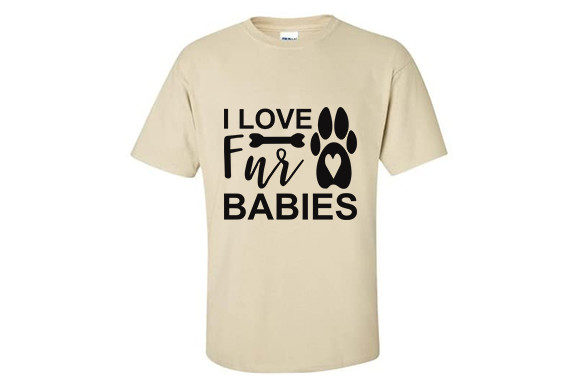
Opening the ZIP for Dog Svg Design, I Love Fur Babie, I felt that familiar spark—not from flash or complexity, but from quiet intention. The layout is friendly and balanced: a centered dog silhouette (soft, rounded ears, gentle curve of the back) paired with the phrase “I Love Fur Babies” in a clean, slightly bouncy sans-serif. It’s not overly detailed, but it’s expressive—like something you’d stitch on a baby onesie for a new pet parent or embroider onto a linen tea towel for a dog-loving friend. This isn’t a design shouting for attention; it’s one leaning in with warmth. That matters—especially when your finished product needs to feel handmade, heartfelt, and commercially viable.
Where It Shines: Real Projects, Real Reactions
I tested Dog Svg Design, I Love Fur Babie as part of a small-batch embroidered tote bag collection for a local pet boutique. We used medium-weight canvas, tear-away stabilizer, and matte cotton thread. The result? Instant recognition and emotional resonance. Customers paused at the rack, smiled, pointed—and asked, “Is that *your* dog?” even though the design is stylized, not photorealistic. That’s the power of clarity + charm.
It works beautifully on sweatshirt embroidery (the curves hold up well under loftier fabric), baby embroidery (no sharp corners or tiny elements that snag), and embroidered patches (clean outlines translate reliably into satin-stitched edges). As a tote bag design or pillow cover motif, it reads clearly at 3.5–4 inches wide—ideal for standard hoops and small-shop production. For Etsy sellers and craft fair vendors, this design supports storytelling: it’s not just decoration—it’s identity, affection, community.
Where to Pause—Not a Flaw, Just a Fit Check
Dog Svg Design, I Love Fur Babie isn’t built for micro-detail work. If you’re planning cap embroidery or curved-surface stitching on a baseball hat, scale it no smaller than 3 inches wide—and always test on scrap first. The lettering sits comfortably at 0.25" height on light fabric, but on dark or textured surfaces (like terry cloth towels or fleece), subtle spacing between letters can blur without careful thread color contrast. I recommend pairing it with a high-contrast thread (e.g., white on navy, charcoal on cream) rather than relying on fill stitch density alone.
On thin or stretchy fabric—think lightweight tees or baby knit bodysuits—stabilizer choice becomes critical. A lightweight cut-away helps prevent puckering around the dog’s outline and keeps the phrase legible after washing. And while the design avoids dense fill areas (a plus for breathability and stitch time), don’t skip checking stitch density in your embroidery software—some SVG-to-PES conversions can unintentionally inflate stitch count in curved zones.
Design Assets That Support Your Craft Business
The file variety—SVG, EPS, DXF, PNG—is genuinely useful. As a designer who also creates printable mockups and digital previews for clients, I used the PNG for quick social media banners and the SVG to resize cleanly for a 6-inch hoop version on a kitchen apron. The EPS came in handy when prepping vector-based branding assets for a client’s pet-sitting business launch. None of these formats require conversion gymnastics—just open, scale, and verify.
That said: always confirm licensing before selling finished products or reselling the digital embroidery file. The listing says it’s a Graphics product in the T-Shirt Designs category—but that doesn’t automatically mean commercial embroidery rights are included. If you’re an Etsy seller bundling this into a “Dog Lover Gift Set,” double-check usage terms. Clarity here protects your craft business and builds long-term customer trust.
Stitching Clarity = Customer Trust
In handmade product circles, how something *stitches* directly shapes how it’s perceived. A jagged edge, inconsistent lettering, or floating thread nests undermines professionalism—even if the concept is perfect. Dog Svg Design, I Love Fur Babie avoids those pitfalls: its lines are smooth, its proportions consistent, and its negative space generous enough for clean satin stitch execution. When stitched on a light-colored organic cotton sweatshirt, it looked polished—not DIY-ish. That subtle lift in perceived value means customers are more likely to tag your shop, share photos, and return for holiday embroidery like custom stockings or personalized blankets.
For wedding gifts or nursery decor, it adds sincerity without sentimentality. I’ve seen similar designs fall flat when they try too hard—this one doesn’t. It feels like a quiet nod between people who understand what “fur baby” really means.
Practical Notes Every Embroidery Designer Should Run Through
- Test the design on scrap fabric matching your final project’s weight and stretch.
- Check thread color contrast on both light and dark fabric swatches—don’t assume black-on-white will translate the same way to heather grey or charcoal.
- Review stitch density in your embroidery software—look for unusually tight fills near the dog’s ear or tail base.
- Confirm hoop size compatibility before digitizing; this design scales well, but avoid pushing below 2.75" without re-evaluating letter legibility.
- Inspect small details: the gap between letters in “Fur” and “Babie” should remain open—not collapsed—after resizing.
- Use proper stabilizer: tear-away for stable wovens, cut-away for knits or delicate fabrics.
- Try a black-and-white mockup first—it reveals balance and hierarchy faster than color.
- Verify whether the license permits commercial embroidery use, especially if you’re selling finished items or digital embroidery files.
Final Thought: It’s Not Just a Design—It’s a Conversation Starter
Dog Svg Design, I Love Fur Babie won’t win awards for technical innovation—but it earns respect for emotional precision. It fits seamlessly into custom apparel, personalized gifts, and small shop merchandise because it speaks plainly and kindly. Whether you’re stitching it onto a holiday gift for a new puppy owner or building a cohesive line of dog-themed kitchen textiles, this design holds space for authenticity. That’s rare. And in a market crowded with generic graphics, that kind of grounded charm is exactly what makes a handmade product memorable—and sellable.