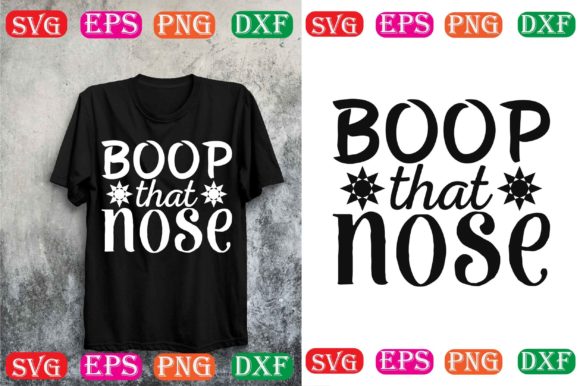
Dog Svg Design.boop That Nose
A Playful Nudge That Lands Just Right
First impression? Dog Svg Design.boop That Nose feels like a warm, spontaneous moment caught mid-smile—gentle, affectionate, and unmistakably dog. It’s not cartoonish or exaggerated; it’s a soft, confident line drawing of a dog’s nose and muzzle, with just enough detail to read as canine without overloading the silhouette. The “boop” energy is in the tilt of the head, the subtle curve of the nostrils, and the quiet suggestion of whiskers—not in cluttered outlines or forced cuteness. As a machine embroidery design, it leans into simplicity as strength: clean shapes translate beautifully to satin stitch, minimal interior detail avoids fill-stitch congestion, and the overall footprint sits comfortably between 3” and 4” wide—ideal for chest placements on tees, tote bags, baby onesies, or apron pockets.
Where This Design Earns Its Keep
I tested Dog Svg Design.boop That Nose on a custom embroidered cotton tote for a local pet boutique—and it worked exactly as hoped. Stitched in matte black thread on natural canvas, the design held crisp edges without puckering. No stabilizer overkill needed: a single layer of medium-weight tear-away kept the fabric stable while letting the stitches breathe. On sweatshirt fleece? Slightly more stabilizer (a light cutaway + topping) tamed the nap, and the nose shape remained legible—no lost definition in the curves. For baby embroidery, I ran it on organic cotton knit with soft ballpoint needles and reduced top tension: the result was gentle, smooth, and wash-durable. Even as an embroidered patch (heat-applied backing), the design retained its charm—no fraying at the nostril points, no thread nests in the corners.
This isn’t a design that shouts. It whispers warmth. That makes it ideal for personalized gifts—think a tea towel monogrammed with a name + Dog Svg Design.boop That Nose, or a nursery pillow cover where subtlety reads as intention, not afterthought. Etsy sellers will appreciate how cleanly it integrates into printable mockups: it scales well from thumbnail to full-size preview, and its neutral tone pairs effortlessly with both minimalist and rustic brand palettes. As a T-Shirt Designs asset, it bridges playful and polished—perfect for small shop merchandise that avoids trend-chasing but still feels current.
Where to Pause—and Why
Don’t rush this into dense or textured fabrics without testing. On heavy twill or corduroy, the fine contour lines can blur unless you adjust stitch density downward and add a light topping. Similarly, avoid tight hoop sizes under 4”. The curve of the nose and slight taper toward the snout need breathing room—if you’re stitching on curved surfaces like caps or curved pillow seams, reposition the design to keep the nose arc parallel to the grain, not fighting it. And while it handles dark fabric beautifully (especially in cream or heather gray thread), avoid ultra-thin fabrics like voile or rayon challis without extra stabilizer—the satin stitch coverage is generous enough to show through if the base fabric shifts.
Also note: this isn’t built for tiny lettering integration or layered applique. There’s no built-in text, no shadow layers, no alternate poses—just one focused, confident expression. That’s a strength, not a limitation—but know it going in. If your project relies on tight corner detail (e.g., a narrow cap brim), scale down thoughtfully: below 2.5”, the nostril shape starts to soften. Test first. Always.
Real Impact on Your Finished Product
Dog Svg Design.boop That Nose lifts perceived value without demanding premium pricing. Customers recognize handmade care in its balance—enough detail to feel intentional, enough restraint to feel refined. On a holiday gift sweater, it reads as personal, not mass-produced. On a boutique apron, it adds character without overwhelming function. For craft fair buyers, it’s instantly giftable: familiar enough to resonate, distinctive enough to stand out in a lineup of generic paw prints or bone silhouettes.
It also builds trust. When clients see consistent clarity across your embroidered patches, tote bags, and baby items—all using the same core design language—they begin associating your work with reliability and thoughtful curation. That consistency matters more than flashiness when you're building a craft business or digital product shop. And yes—it performs well in commercial embroidery: clean vector paths (EPS/SVG/DXF) mean easy digitizing adjustments, and the PNG version holds up in digital previews for client approvals.
Your Practical Designer Checklist
- Test first on scrap fabric matching your final project’s weight and stretch.
- Check thread color contrast—especially on heather or textured backgrounds. A soft charcoal often reads clearer than true black on ecru.
- Review stitch density before sending to machine. Overly dense fills can cause stiffness on lightweight apparel.
- Confirm hoop size: aim for at least 4” x 4” for best fidelity.
- Inspect small details at actual stitch-out size—not just on screen. Does the nostril curve hold? Are corners sharp, not blobby?
- Try black-and-white mockups to assess silhouette strength before committing to color.
- Compare light vs. dark fabric backgrounds—some thread sheens behave differently under lighting.
- Use proper stabilizer: tear-away for stable wovens, cutaway + topping for knits or naps.
- Verify licensing before selling finished products or reselling the digital embroidery file—this is critical for Etsy sellers and digital product shops.
At its core, Dog Svg Design.boop That Nose succeeds because it respects the craft—not just as a Graphics asset, but as a quiet collaborator in your process. It doesn’t ask for special treatment, but it rewards attention. Whether you’re stitching a single personalized gift or scaling for small-batch production, it delivers consistent charm, real-world performance, and that rare thing in embroidery design: effortless recognition. Not flashy. Not fussy. Just right.